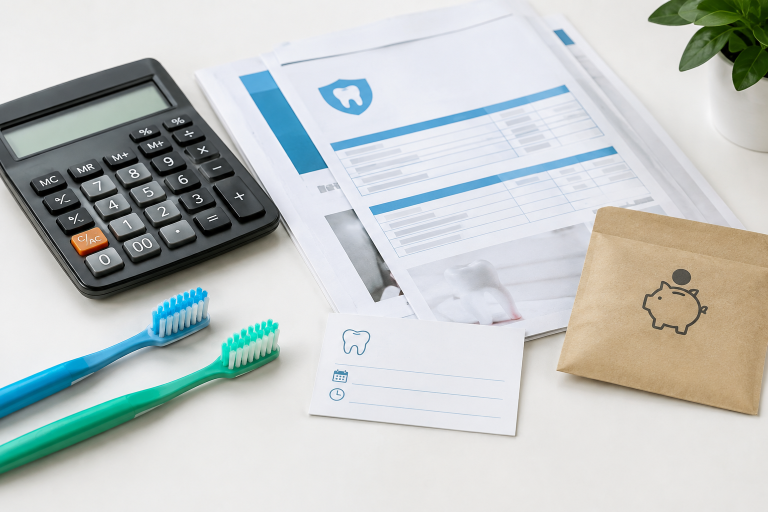
Key Takeaways
- Planning for routine visits and surprise treatment can make dental costs easier to manage.
- Families should compare more than monthly premiums, including deductibles, copayments, networks, and annual plan limits.
- A dental budget should include prevention, expected treatment, supplies, and an emergency reserve.
- Coverage may be available through an employer, a public program, a marketplace, or a private insurer.
Dental expenses can feel manageable until a filling, a broken tooth, an orthodontic consultation, or an urgent visit comes up without warning. A practical plan helps a family make decisions before discomfort or a deadline creates pressure.
For households exploring private coverage, dental plans for families from Delta Dental offer a useful comparison point. Delta Dental has worked in dental benefits for more than 70 years, and its individual and family plan page explains PPO and DHMO-type options, network considerations, and plan availability across service areas, including California, Florida, New York, Pennsylvania, Texas, and other locations. Specific benefits, prices, and availability still depend on the state and policy selected.
Why Dental Costs Belong in the Family Budget
Dental spending is a meaningful household expense nationwide. The American Dental Association reports that national dental care expenditures reached $189 billion in 2024, with out-of-pocket payments making up the largest share. That does not mean every family needs an elaborate system. It means dental care deserves a line in the budget alongside other recurring health costs.
When families postpone appointments, a small concern may become a larger treatment need. Missed visits can also mean time away from school or work. Planning is especially useful for expenses that do not arrive every month, such as retainers, sports mouthguards, night guards, fillings, wisdom tooth removal, or replacement dentures.
Start With a Family Dental Care Inventory
Begin by listing likely needs for each person during the next 12 months. Review prior bills, treatment plans, and appointment reminders, then ask the dental office which services may be due soon.
- Exams, cleanings, X-rays, and fluoride treatments
- Fillings, periodontal care, or follow-up visits
- Braces, aligners, retainers, or orthodontic consultations
- Wisdom tooth removal or other specialist care
- Night guards, dentures, replacement appliances, or sports mouthguards
Build a Simple Dental Budget
Set aside money in separate categories so routine care does not consume funds intended for a larger need. A family can adapt this simple format to its own circumstances:
- Preventive care: Expected exams, cleanings, and routine imaging.
- Planned treatment: Known fillings, periodontal visits, or restorative work.
- Orthodontics: Consultation fees, monthly payments, retainers, or repairs.
- Emergency reserve: A modest amount for pain, a cracked tooth, or an urgent exam.
- Supplies: Toothbrushes, fluoride toothpaste, floss, and protective appliances.
Review the budget every 3 months and update it after a job change, a new coverage election, a new dependent, or a treatment recommendation.
Compare the Main Ways Families Pay for Dental Care
Employer-Sponsored Coverage
Workplace plans can offer payroll deductions and group coverage choices. Before open enrollment ends, compare the premium with the deductible, coinsurance, annual maximum, network, and the services your family expects to use. The lowest monthly premium is not always the lowest overall cost.
Public Programs
Medicaid and CHIP can be important options for eligible households. Federal rules require dental benefits for children enrolled in Medicaid and CHIP, while adult Medicaid dental benefits vary by state. Families can review Medicaid dental care requirements and state benefit information before assuming a particular service or provider is covered.
Private Individual and Family Plans
Private coverage may suit people without workplace benefits or those who do not qualify for public coverage. Review plan documents closely for preventive benefits, coverage for basic and major services, orthodontic provisions, exclusions, and annual payment limits.
Know the Numbers That Shape a Dental Plan
- Premium: The recurring amount paid to keep coverage active.
- Deductible: The amount paid before the plan shares certain costs.
- Copayment: A fixed amount paid for a covered service.
- Coinsurance: The percentage of a covered charge paid by the member.
- Annual maximum: The most a plan will pay during a calendar year.
- Network: Dentists and specialists who participate under the plan’s terms.
Check the Dentist Network Before Enrolling
- Search for the current family dentist by name.
- Confirm participation in the exact network tied to the plan, not merely the insurer.
- Check nearby pediatric dentists, orthodontists, oral surgeons, and other specialists.
- Ask whether the office is accepting new patients.
- Request an explanation of how out-of-network charges could affect the bill.
A broad network may matter most to a family that wants to keep its dentist. Another family may prioritize fixed copayments and accept a more limited network. There is no universal best choice.
Use Prevention to Control Long-Term Costs
Regular dental care should follow the dentist’s recommendations for each family member. Brushing twice daily with fluoride toothpaste, cleaning between teeth, and addressing symptoms promptly are practical habits that support oral health. Ask a dentist whether fluoride treatments, sealants, or a protective mouthguard are appropriate for a child’s needs and activities.
Keep a simple folder or digital record with treatment plans, estimates, explanation-of-benefits statements, and receipts. This makes it easier to monitor remaining benefits and compare the office estimate with the final claim.
Ways to Lower Out-of-Pocket Expenses
- Ask for a written estimate before major treatment begins.
- Request a clear breakdown of covered services and expected patient responsibility.
- Compare in-network and out-of-network costs.
- Ask whether clinically appropriate treatment can be completed in stages.
- Use a health savings account or flexible spending account when eligible.
- Check community clinics, dental schools, and sliding-scale programs.
- Discuss payment arrangements before treatment, not after the final bill arrives.
Questions to Ask Before Treatment
- What problem is this treatment intended to address?
- What could happen if treatment is delayed?
- Are there clinically appropriate lower-cost alternatives?
- What does the plan pay, and what is the estimated balance after coverage?
- Does an annual maximum or a network rule apply?
- Are follow-up visits, lab fees, and related services included in the estimate?
Common Family Dental Budget Mistakes
- Choosing coverage based only on the premium.
- Assuming every dentist associated with an insurer accepts every plan.
- Forgetting to account for annual maximums.
- Overlooking orthodontic limits, dependent eligibility, or specialist access.
- Skipping preventive care without considering future treatment needs.
- Starting major work without requesting an estimate.
A 30-Day Dental Cost Checklist
- Week one: Gather dental bills, treatment plans, and current coverage documents.
- Week two: List likely care needs for every family member.
- Week three: Compare plan costs, networks, limits, and expected out-of-pocket expenses.
- Week four: Schedule preventive visits and begin setting aside funds for planned care.
Make Dental Care a Planned Expense
A family does not need a complicated financial system to prepare for dental costs. A current care list, a realistic savings target, and careful coverage review can reduce uncertainty. Treat dental care as a planned household expense, revisit the plan during the year, and ask questions before treatment begins.
You might also like




CaptionBlasts.com Team is a group of passionate content creators and digital writers dedicated to helping people express themselves through creative and engaging captions.