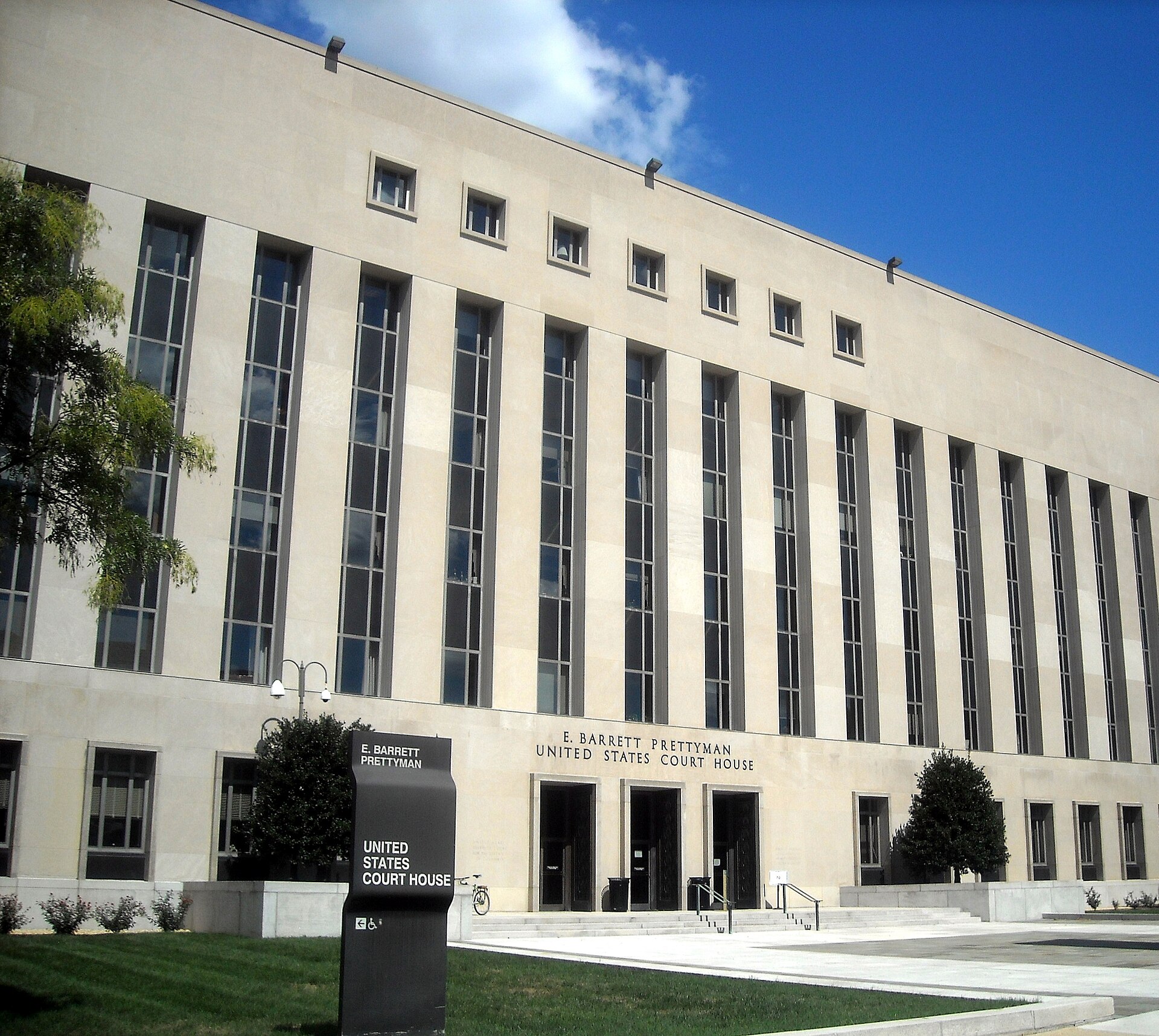
Getting arrested by federal authorities is disconcerting and scary, and you are likely to wonder what will happen next. DC federal arrests can occur in a home (or workplace) or in public. Because that can change someone’s life minutes. However, not knowing and speculating on what lies ahead might weigh the federally charged down. Knowing what will happen helps ease the load off federally charged people in D.C. There are strict requirements in federal proceedings, but with each step onto it can affect the conclusion. But knowing about jail, court appearances, and releases will help you make informed judgments.
When Do Federal Agents in Washington D.C. Make Arrests?
Federal officials are trying to enforce violations of federal law. They can deal with public corruption, cyber crime, bank fraud, wire fraud, firearms, and drugs. Federal cases in the district of Columbia and surrounding areas are handled by multiple entities. Among them are the Drug Enforcement Agency (DEA), the Federal Bureau of Investigation (FBI), the Bureau of Alcohol, Tobacco and Firearms (ATF), and Homeland Security Investigations. They may spend weeks or months before making an arrest. Agents might sift through phone data, e-mail, bank accounts, etc., and even check out video footage and witness reports. They may also work with federal prosecutors in building a case. A grand jury indictment results in some arrests. Others happen due to a criminal complaint or an arrest warrant. Depending on the charges and circumstances. Just because you’ve been arrested doesn’t imply you’re guilty. And with trials, the government must demonstrate that your alleged accusations should not be an issue.
What You Can Expect If You’re Arrested by the Feds?
Federal authorities can (legally) handcuff, search, and take him or her to a detention facility. Officers may want to learn the name of a person and take fingerprints and photographs. They should remain calm and not struggle physically. They might ask if they have been arrested and request a lawyer. If the agents question them about the crime, they may decide to remain silent and obtain a lawyer. This is crucial as even useless words can be turned into evidence. It can be tempting to tell someone what has happened, but coming out without the correct legal advice will lead to problems later. Do not necessarily fabricate records or speak to federal officers without telling the truth. Lying to federal officers may occasionally result in an additional charge. Ask for a lawyer and listen to his/her advice.
What is a federal prison?
Once arrested, a person may be held for court until the first court appearance. At that time, the court may decide whether the person can be released pending his trial.Federal custody is not a punishment. What it means is that the person is placed into custody, but not finished with the criminal issue. But the judge will have to consider the federal law on whether to detain the person or not: But there are several things the court can look at such as:
- The type and seriousness of the charged crime.
- The defendant’s background with crime and courts.
- The relationship between them and D.C.
- The risk they could abscond or flee.
- The threat they may pose to the people or society.
The prosecutor may demand that the individual is lawfully detained. The defense may argue facts supporting release.
What is an initial appearance in federal court?
Initial appearance (first hearing). It must occur “without unnecessary delay” after arrest. At the hearing, a judge will advise the person of his/her rights and the charges against him/her. The court also discusses the person’s right to a lawyer and to release/detention. Most always if the person does not have funds to pay for a lawyer to hire, then the court may be able to appoint a counsel for the person if certain legal conditions apply. A person should ask about this right immediately. The initial appearance is not a trial. The first appearance is not when the judge determines if the accused committed the crime. In a hearing they deal with custody and certain preliminary legal matters. A hearing for detention may occur now or later. The court will listen to all sides of the argument and determine whether to detain the individual.
Can I be released before trial?
Yes. Some federal defendants will be able to go home while their case is being processed in court. Others will remain in jail. But there are some rules that allow a judge to release a defendant. They may require pretrial services, residence in a specific area, avoidance of certain persons, or no travel. Some must be fitted with an electronic monitoring bracelet. The court may also impose other conditions on the defendant, e.g. not to consume drugs/alcohol, surrender a passport, etc. Violation of the order of release might cause even larger troubles, and the release may be revoked by the court. Releasing someone is not merely a financial issue. Federal judges will consider all the facts and the danger to the community and the risk of “flight.” A defense counsel might propose a plan as to why release is appropriate.
What is a Federal Case?
There are several possible paths the case can take after the initial hearings. It is contingent upon the charges and the evidence.
Arraignment: The charge is read to the defendant, who enters a plea.
Pre-trial discovery: Government and defense review materials that the government is compelled to disclose. This can include documents, videos, witness statements, or reports.
Pretrial motions: Attorneys may ask the judge to rule on legal issues. For example, the defense may file a motion to suppress evidence due to a violation of someone.
Plea bargaining: The defense can bargain with the prosecution for a plea. Ensure that the defendant understands what a plea entails before choosing one.
Trial/sentencing: If the issue is not resolved by a plea, the matter can be prepared for trial. If the defendant pleads guilty or is found guilty by a jury, the court may hold a sentence hearing.
Federal cases might take months or more to conclude. Cases can have many papers, many people, or complicated claims that need time to completely review.
When to Call a Federal Defense Attorney Soon After Arrest
It’s vital following an arrest. Lawyers can explain the charges, help protect rights, and prepare for court. Legal guidance can also be important prior to an arrest. If you are told someone with federal authority wants to talk to you, obtain legal advice before agreeing to an interview. Can explain what is lawful and help with interrogations. Capital Criminal & DUI Defense Group: Defending the accused around Washington, D.C. Criminal defense lawyer David Benowitz is committed to safeguarding his clients’ rights. He is an AV rated attorney with Martindale-Hubbell and a member of the National College of DUI Defense. If you are arrested or under federal investigation, contact a DC federal criminal lawyer to discuss case facts, case proceedings, and defenses. Do not talk to possible witnesses about the facts of the case or online. Be discreet about court papers, attend all court hearings, and follow all court directions. Small decisions contribute to a larger thing in the case of a criminal prosecution.
Frequently Asked Questions
1. How Is Being Federally Arrested?
Federal arrest is the process in which federal officials arrest a party for committing a federal offense.
Detailed answer: This can happen after an investigation by parties like the FBI, DEA, and ATF, after which an individual might be arrested. Then, the case may be sent to federal court. An arrest is not a determination of guilt, and the government is required by law to prove its case.
2. How long can a person be held after a federal arrest?
He/she may be detained till he/she is discharged by some court’s decision after the trial of the matter.
Detailed answer: The person has to be brought before a judge within a reasonable time. A judge may order that they be held until the dispute is resolved or release them subject to certain conditions. The length of custody depends on the facts of the case, the charges, and the judge’s decision.
3. What occurs during the detention hearing (federal case)?
The court considers whether to confine the defendant until trial.
Detailed answer: The judge considers the flight risk and risk to others and/or the community. The prosecutor may ask for custody, while the defense may present facts in support of releasing the defendant. The judge then decides according to federal law.
4. What Is Bail In Federal Court?
Although a federal judge may require a defendant to post a conditional retention bond, it’s not the same as many state bail systems.
Detailed answer: Electronic monitoring, travel limitations, or supervised release. The judge will look at the facts and determine whether any conditions are appropriate.
5. When to Consult a Federal Criminal Defense Attorney
If you feel that you are under investigation for a federal crime or you have been charged, you need to contact a lawyer immediately.
Detailed answer: A lawyer can aid a person in evaluating government evidence, preparing for jail, preparing for court, and understanding the charges. Furthermore, seeing an attorney early will prevent the person from consenting to any interviews or releasing records or waiving any rights.
You might also like




CaptionBlasts.com Team is a group of passionate content creators and digital writers dedicated to helping people express themselves through creative and engaging captions.