What is kroner? It is the plural of krone, a word that means “crown.” Norway and Denmark use it as the name of their national money.
Picture a menu in Oslo or Copenhagen that says “250 kr.” Is that dollars? Norwegian money? Danish money? This guide clears it up with the kroner meaning, the countries, the kroner value in USD and the coins.
Table of Contents
What Is Kroner and What Does It Mean?

Kroner is simple once you know the pattern. It works like “dollar” and “dollars.”
What is a kroner? One unit is a krone. Two or more are kroner. The word comes from the Latin corona, which means crown. Old Scandinavian kingdoms used it to tie their money to royal power. Say it “KROH-ner.”
Each country runs its own krone. They share a name and the symbol “kr,” but not a value or a central bank.
The name spread through the Scandinavian Monetary Union. Sweden and Denmark formed it in 1873, and Norway joined in 1875. Its members swapped coins at par until 1914, when World War I ended the gold standard. Each country then kept the name and went its own way.
Here is how the cousins differ:
| Country | Currency | Plural | Code |
|---|---|---|---|
| Norway | Norwegian krone | kroner | NOK |
| Denmark | Danish krone | kroner | DKK |
| Sweden | Swedish krona | kronor | SEK |
| Iceland | Icelandic króna | krónur | ISK |
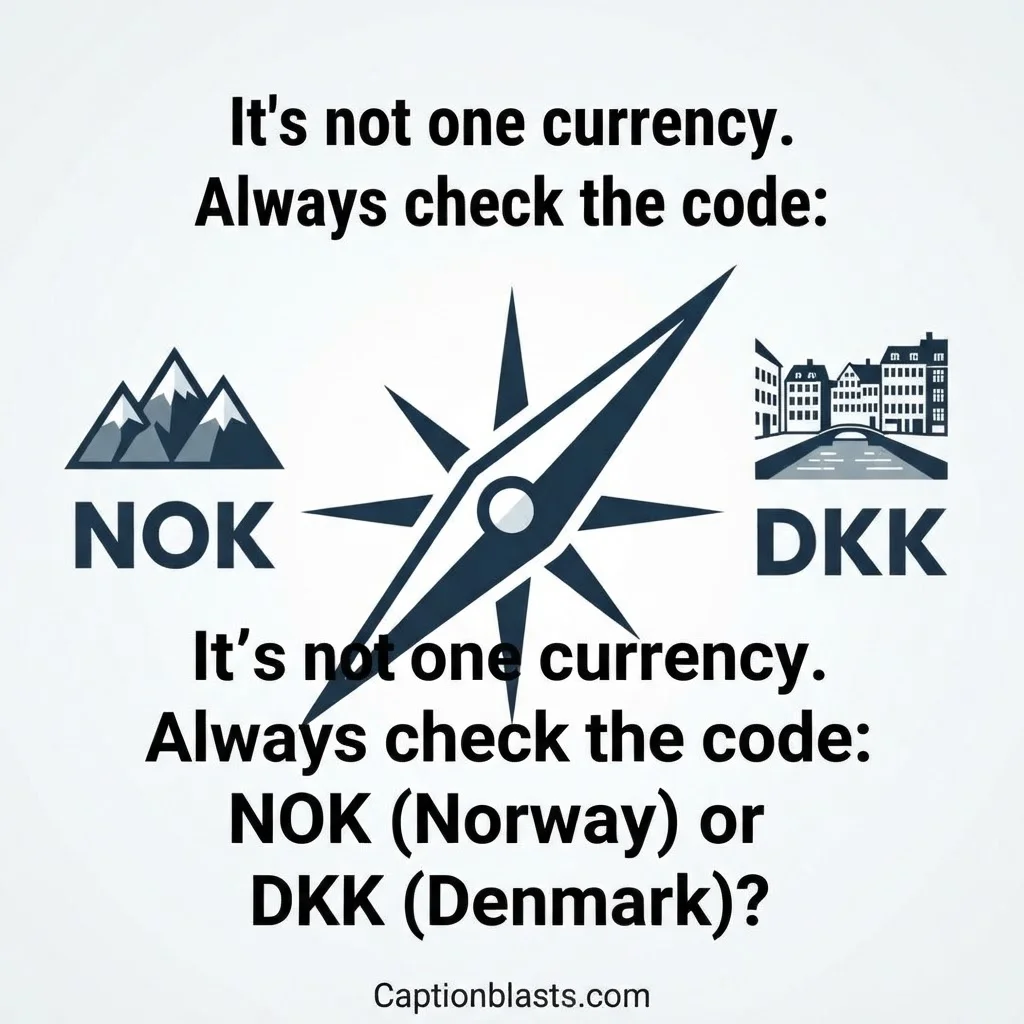
The Czech Republic uses a distant cousin, the koruna (CZK), which also means “crown.” Always check the three-letter code on a receipt, not just “kr.”
While mastering Scandinavian currencies like the krone helps you navigate real-world travel and finance, modern language also evolves through pop culture terms that confuse everyday readers. If you’ve ever stumbled across intriguing corporate terminology while browsing online trends, explore our guide on what Lumon means in TV and online culture to uncover its full background.
What Country Has Kroner as a Currency?

Two countries use kroner as their official money. Two more use close relatives.
What country has kroner as a currency? Norway and Denmark. Norway’s central bank is Norges Bank. Denmark’s is Danmarks Nationalbank. Svalbard uses the Norwegian krone. Greenland and the Faroe Islands use the Danish one. The Faroes print their own notes, but those trade one-to-one with Danish money.
What uses kroner? Besides those places, border shops in Sweden and Finland often take Norwegian kroner informally. Sweden and Iceland use krona and króna, which are related but not kroner.
Their policies differ, and that explains why the values differ later:
- Norway is outside the EU. Its krone floats freely. Norges Bank dropped its fixed rate in December 1992.
- Denmark is in the EU but not the eurozone. Its krone is pegged to the euro through ERM II, with a central rate near 7.46 per euro.
- Sweden is in the EU, keeps the krona and floats it.
What Is a Kroner Worth in Dollars?

A kroner is worth very little in dollars, but the amount depends on which krone you hold. A Norwegian krone and a Danish krone are not equal. Just as the word kroner reflects the rich linguistic and cultural history of Scandinavia, many European surnames also carry fascinating stories about their origins. One interesting example is the [Katz surname meaning], which reveals surprising connections to Hebrew traditions, German language roots, and centuries of family history.
What is a kroner to a dollar? In July 2026, 1 Norwegian krone was worth about 0.104 US dollars, so 100 NOK came to roughly $10.40. One Danish krone was worth about 0.153 dollars, so 100 DKK came to roughly $15.26.
That is why 250 kr on a menu means about $26 in Oslo but about $38 in Copenhagen.
Here is a quick guide based on those mid-2026 mid-market rates:
| Amount | Norwegian krone (NOK) | Danish krone (DKK) |
|---|---|---|
| 100 kr | about $10.40 | about $15.30 |
| 500 kr | about $52 | about $76 |
| 1,000 kr | about $104 | about $153 |
Rates move every minute. Check a live converter before you exchange real money.
Why does the Norwegian krone move more? It floats, and its value tracks oil prices and interest rates. Over one recent year, the dollar bought between about 9.15 and 10.36 NOK. The Danish krone is steadier. Over a similar period, the dollar bought between about 6.21 and 6.60 DKK.
Both are small players in global trade. In April 2025, the Norwegian krone took part in about 1.3% of daily currency trades. The Danish krone took part in about 0.7%.
For US travelers, three habits save money:
- Withdraw kroner from a local ATM, and ask your bank about foreign fees.
- Skip airport exchange counters, which usually give weaker rates.
- Choose local currency when a card terminal offers to bill you in USD. That offer is called dynamic currency conversion, and it usually costs more.
Kroner Coins, Banknotes and Travel Tips
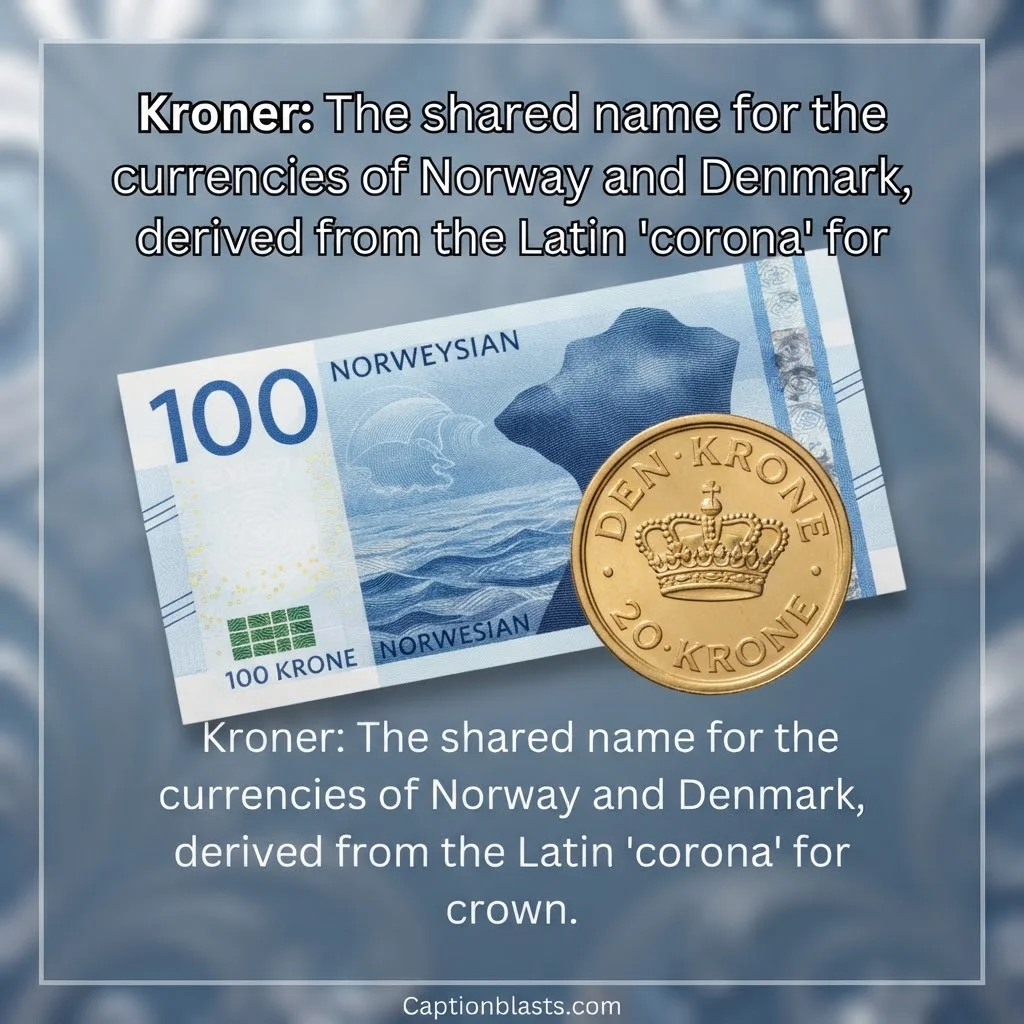
Both countries use coins and notes, but cards do most of the work. Knowing the basics helps you pay with confidence.
What is a kroner coin? It is a coin in the krone system, and the lineup differs by country.
- Norway has 1, 5, 10 and 20 kroner coins. The 1 and 5 have a hole in the center. The 20-krone coin shows a Viking ship. Norway pulled its last øre coin, the 50 øre, in 2012, so cash totals round to the nearest krone.
- Denmark has 50 øre, plus 1, 2, 5, 10 and 20 kroner coins. The 1, 2 and 5 are holed. The 10 and 20 are gold-colored. Since December 2025, new designs with King Frederik X’s monogram have been entering circulation, according to Danmarks Nationalbank. mercellnationalbanken
Both countries issue notes of 50, 100, 200, 500 and 1000 kroner. Norway’s current notes use a sea theme, and the 100 kr note shows the Gokstad Viking ship.
Norway is nearly cashless. About 98% of in-store payments there use cards or phones, and the average person makes around 572 card payments a year (Norges Bank).
Keep these tips in mind:
- Carry a debit or credit card and a few small coins for parking or rural stops.
- Don’t mix up Norwegian and Danish kroner. You can’t spend one in the other country.
- Don’t mix up kroner (Norway and Denmark) and kronor (Sweden).
- Euros are not accepted in most shops.
- Service is normally included in the price, so tipping is optional.
FAQs
What is a kroner to a dollar?
In mid-2026, one Norwegian krone was worth about $0.10 and one Danish krone about $0.15. So 100 NOK was roughly $10.40, and 100 DKK roughly $15.30. Rates change daily, so check a live source.
What country has kroner as a currency?
Norway and Denmark. Svalbard uses the Norwegian krone. Greenland and the Faroe Islands use the Danish krone.
What is a kroner coin?
It is a coin of the Norwegian or Danish krone. Norway has 1, 5, 10 and 20 kroner coins. Denmark has 50 øre and 1, 2, 5, 10 and 20 kroner coins.
What uses kroner?
Norway, Denmark, Svalbard, Greenland and the Faroe Islands use kroner. Sweden and Iceland use related currencies, the krona and the króna.
Conclusion
Kroner is the plural of krone. It is not one single currency. Norway and Denmark each run their own, so the code (NOK or DKK) tells you what your money is worth. Check a live rate, pay in local currency and carry a card, and Scandinavian prices will be easy to handle.
CaptionBlasts.com Team is a group of passionate content creators and digital writers dedicated to helping people express themselves through creative and engaging captions.