Voyeurism Meaning Explained: secretly watching people in private moments without their consent. This guide explains the voyeurism definition, the psychology behind it, US laws, and real-life examples.
Table of Contents
What Is Voyeurism? Meaning and Definition

Voyeurism is more than a dictionary word. It is a behavior with clinical, legal, and cultural sides. Here is what it means in plain terms.
Understanding voyeurism highlights how context and intent can shape the meaning of certain words and behaviors. Similarly, exploring the OMY meaning in texting shows how modern internet slang expresses emotions like surprise, excitement, and amusement in everyday digital conversations.
Voyeurism Definition
What is voyeurism? It is the act of secretly watching others while they undress, bathe, or take part in intimate behavior. The watcher usually seeks sexual gratification. The person being watched does not know and has not agreed.
Voyeurism often appears in crime dramas and psychological thrillers, where secrecy and hidden behavior play important roles. Similarly, understanding the meaning of goodfella reveals how Mafia slang became popular through organized crime stories, Hollywood movies, and American pop culture.
Voyeur Meaning and Word Origin
A voyeur is a “watcher.” The word comes from the French verb voir, meaning “to see.” The term voyeurism was first recorded in English in 1913.
You may also know the old nickname “Peeping Tom.” It comes from the Lady Godiva legend, where a man named Tom peeked at her ride through town.
Voyeurism vs Normal Curiosity
Seeing something by accident is not voyeuristic behavior. Glancing at a lit window while walking home does not count. The key difference is consent and intent.
Fantasy is also different from action. Clinicians look at whether someone acts on urges or harms others.
Voyeurism Psychology: Causes and Disorder

Psychologists study voyeurism as a pattern of urges and actions. They separate harmless fantasy from behavior that hurts people.
Voyeuristic Disorder Explained
In psychiatry, voyeurism is listed as a paraphilia. The DSM-5 calls it voyeuristic disorder. The ICD-10 labels it a disorder of sexual preference.
A diagnosis needs more than a passing thought. The person must act on the urges with someone who has not consented, or feel real distress from them. Accidental viewing never qualifies. Voyeurism Meaning Explained.
Causes and Theories
Experts do not agree on one cause. Research is still thin. Here are the main ideas:
- Psychoanalytic theory: an older view tied to childhood development.
- Lovemap theory: watching shifts from a side act to the main source of arousal.
- Compulsive patterns: some studies link voyeurism to obsessive–compulsive traits.
How Common Is Voyeurism?
More common than most people think. A Swedish national survey found that 7.7% of people had done it at least once. That included about 16% of men and 4% of women.
The same study found that 63% of voyeurs also reported exhibitionist behavior. It also estimated that voyeurism happens up to 150 times more often than police reports show.
Attitudes differ too. A 2021 study found that 63.8% of women and 36.4% of men felt strong disgust at the idea. Another review in the Harvard Review of Psychiatry shows how the word’s meaning has stretched over time.
Treatment and Help
Treatment depends on the person. Some case reports show progress with therapy and OCD-style treatment. Medication is used in some cases.
People who fear acting on urges can seek confidential help. Groups like Stop It Now offer support without judgment.
Is Voyeurism Illegal? US Laws and Penalties

Is voyeurism a crime? Yes, when it is non-consensual and violates privacy. The rules differ by state and country, so details matter.
Voyeurism Law in the United States
The federal Video Voyeurism Prevention Act is found in 18 U.S.C. § 1801. It bans knowingly capturing images of a person’s private area without consent, where privacy is expected. The maximum penalty is one year in prison, a fine, or both.
This federal law covers federal land and territory. Most cases fall under state voyeurism laws. These often cover hidden cameras, upskirting, and sharing recordings. Check your own state’s statute for exact penalties.
Reasonable Expectation of Privacy
Courts use one test again and again: the reasonable expectation of privacy. Bathrooms, bedrooms, locker rooms, and changing rooms clearly qualify.
Public spaces are harder. Many laws were updated after people started using phones to take secret photos.
Voyeurism Laws Around the World
Other countries follow the same idea. Canada added voyeurism to its Criminal Code in 2005. In R v Jarvis, the Supreme Court said students still expect some privacy at school.
In the UK, voyeurism became a crime under the Sexual Offences Act 2003. A 2020 ruling confirmed that agreeing to sex is not agreeing to be filmed. India added the offense in 2013. South Korea runs checks for hidden cameras, known as molka, in public restrooms.
Real-Life Voyeurism Examples

Voyeurism shows up in homes, workplaces, and online. These examples show how it appears in real cases.
Hidden Cameras and Upskirting
Hidden cameras turn up in bathrooms, rentals, and changing rooms. They are often tucked inside everyday items like clocks or chargers. Upskirting means taking photos under clothing without consent.
In one UK case, a sports centre manager secretly filmed women in showers. He received a nine-month prison sentence. A Singapore church facility manager got jail time for planting pinhole cameras in toilets.
Digital and Tech-Based Voyeurism
New tech has made digital voyeurism easier. Tiny cameras, phone apps, and even smart glasses can record people unseen. A 2025 case ended in a conviction after a man used smart glasses to record sex without consent.
Laws often struggle to keep pace with new gadgets. That is why many states keep updating their rules.
Media and Pop Culture Voyeurism
In pop culture, the word often means something milder. Reality TV and social media let viewers peek into other people’s lives. Films like Rear Window and Disturbia build whole stories around watching.
These examples use the figurative meaning. The key difference is that the people involved usually know they are being shown.
Voyeurism Warning Signs and How to Protect Yourself

Knowing the signs helps you act fast. A few simple checks can protect your privacy.
How to Spot Hidden Cameras
Start with the room’s everyday objects. Look at smoke detectors, clocks, outlets, vents, and USB chargers. A tiny lens may glint under a flashlight.
Also check the Wi-Fi network for unknown devices. Do this when you arrive at a rental or hotel. Covering suspicious items is a quick way to block the view.
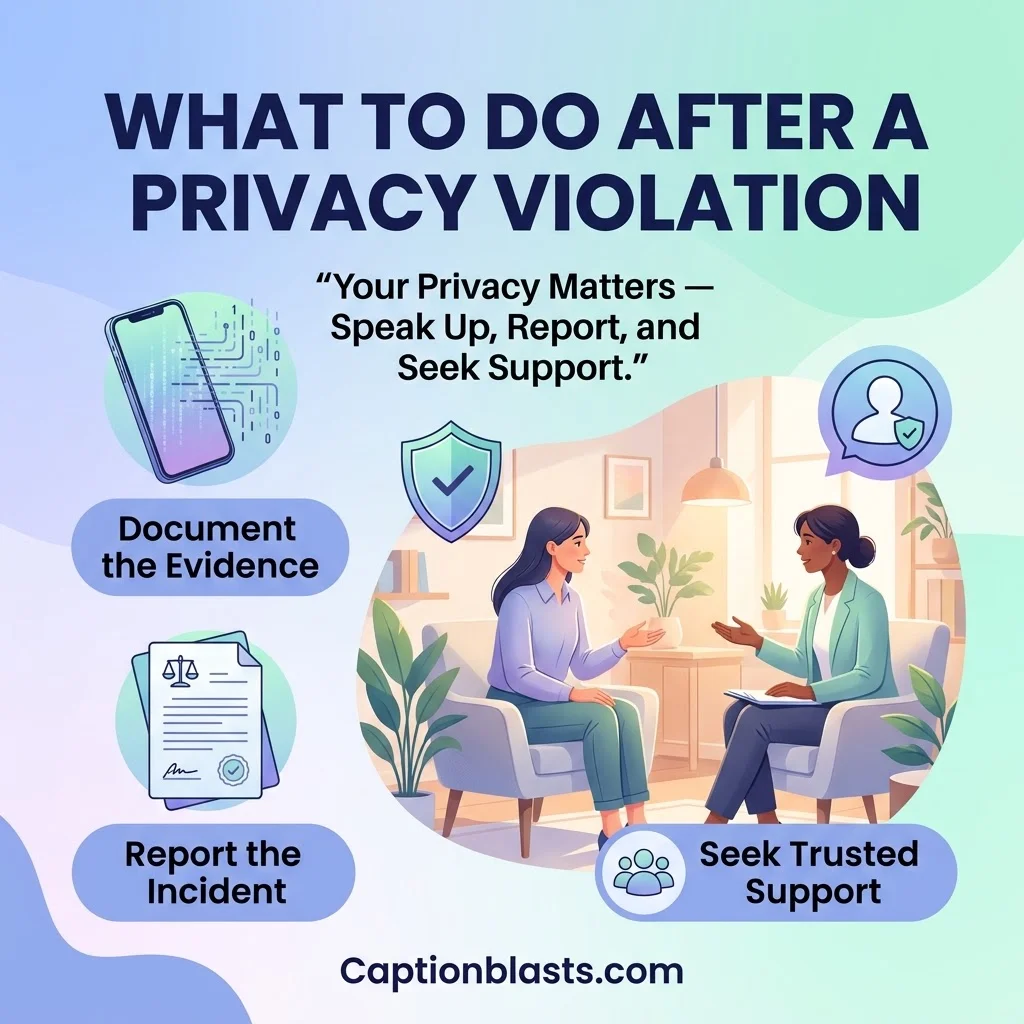
What to Do If You Are a Victim
Do not touch or remove the device. Take photos of where you found it. Then report it to local police and the property owner or booking platform.
If images were shared online, groups such as the Cyber Civil Rights Initiative can guide you on removal. Support is available, and the fault is never yours.
FAQs
Is voyeurism a crime?
Yes. Voyeurism is a crime in the US and many other countries when it is done without consent or in a place where a person expects privacy. Federal law covers some cases, and state laws cover most others.
What is meant by voyeur?
A voyeur is a person who secretly watches others in private or intimate moments, often for sexual gratification. The word comes from the French voir, meaning “to see.” In casual use, it can also mean someone who enjoys watching private or scandalous events.
What is the legal definition of a voyeur?
In law, a voyeur is someone who knowingly watches, photographs, or records another person without consent in a place where that person expects privacy. The exact wording differs by state. Federal law focuses on capturing images of private areas without consent.
What is another word for a voyeur?
Common synonyms include peeping Tom, peeper, watcher, spy, and snoop. In clinical writing, the related term is scopophiliac, which describes someone who gets pleasure from looking.
Conclusion
Voyeurism means secretly watching others without consent, and the law treats it as a real offense. Knowing the definition, the psychology, and the warning signs helps you protect your privacy and spot risky behavior. When in doubt, remember that consent is the dividing line.
CaptionBlasts.com Team is a group of passionate content creators and digital writers dedicated to helping people express themselves through creative and engaging captions.